
What players say
Tile Sum Ten Board Game stands out for its peaceful approach to math puzzles. The core mechanic of placing tiles to sum to ten is easy to learn but offers surprising depth. I appreciate the lack of timers, which allows for thoughtful moves without anxiety. The random tile order keeps each session fresh, and the clean visuals make it easy on the eyes. It is an excellent choice for anyone looking to sharpen their arithmetic skills while unwinding.
About this game
Core Puzzle Loop
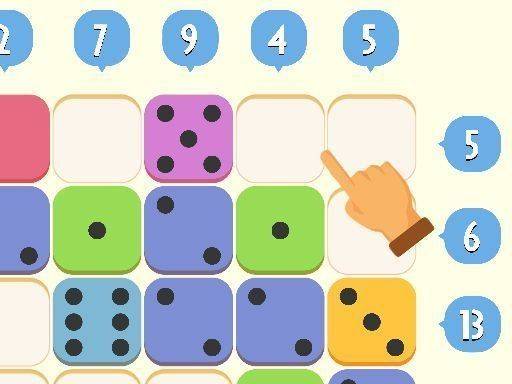
At its heart, this game asks you to place numbered tiles onto a grid. Each tile you set down contributes to the sum of its row and column. The goal is to make any complete row or column total exactly ten. When that happens, the tiles in that line disappear, clearing space and awarding points. This creates a satisfying rhythm of placement, calculation, and clearing that keeps the board dynamic.
Strategic Thinking Without Pressure
Because there are no timers, every move can be considered carefully. You can pause to evaluate the board and plan several steps ahead. The challenge comes from balancing immediate gains with long-term board management. Placing a tile might help clear a row now but could block future moves. This gentle strategic layer makes the game engaging without being stressful.
Visual and Interactive Design
The interface uses clean, colorful graphics that make the tiles easy to read and distinguish. Dragging and dropping each tile feels smooth and responsive. The board layout is straightforward, letting you focus on the numbers rather than complex controls. This simplicity helps players of all ages pick up the game quickly.
Variety Through Randomization
Each session presents a fresh puzzle because the tiles appear in random order. You cannot rely on memorized sequences. Instead, you must adapt your strategy to the tiles you receive. This randomness ensures that no two games feel exactly alike, encouraging repeated play and gradual improvement in your arithmetic speed and spatial planning.
Accessibility for All Ages
The rules are simple enough for children to understand, yet the depth of planning offers enough challenge for adults. It works well as a family activity where everyone can play at their own pace. The lack of timers and pressure makes it suitable for casual gaming sessions, whether you have a few minutes or a longer break.
Skill Development Through Play
Regular play helps sharpen mental math skills, particularly addition and quick number combination recognition. The spatial element also exercises planning and foresight. Because the game rewards careful thinking, it provides a productive way to relax while keeping the mind active. Many players find that their ability to spot number patterns improves over time.





Player comments
Sign in to comment
You must be logged in before posting a review or rating.
No account? Create one
No comments yet. Be the first to comment!